Contextual Introduction
In recent years, the emergence of AI tools and workflows has been driven by significant operational and organizational pressures rather than just technological novelty. Businesses today are facing intense competition, both locally and globally. The need to streamline operations, reduce costs, and improve the quality and speed of decision – making has become paramount. With the ever – increasing volume of data being generated, traditional methods of data analysis and process management are no longer sufficient.
For example, in the customer service industry, companies receive a large number of inquiries from customers every day. Manually handling these inquiries is time – consuming and prone to errors. In the financial sector, analyzing market trends and making investment decisions based on vast amounts of data is a complex task. AI tools offer a solution to these challenges by automating repetitive tasks, providing data – driven insights, and enabling more efficient resource allocation.
The Specific Friction It Attempts to Address
One of the most significant frictions that AI tools aim to address is the inefficiency in data – processing and decision – making. In many industries, employees spend a substantial amount of time on tasks such as data entry, data cleaning, and basic data analysis. These tasks are not only repetitive but also require a high level of accuracy. For instance, in a manufacturing company, quality control inspectors may have to manually check products for defects. This process is slow and can lead to human errors, especially when dealing with a large number of products.
Another friction is the lack of real – time insights. In today’s fast – paced business environment, companies need to make quick decisions based on the latest information. Traditional data analysis methods often involve long – term data collection and processing, which may result in decisions being made based on outdated information. AI tools can analyze data in real – time, providing up – to – date insights that can help businesses respond promptly to market changes.
What Changes — and What Explicitly Does Not
Let’s take the example of a content marketing workflow before and after AI integration.
Before AI integration:
Content planners spend hours researching topics based on industry trends, competitor analysis, and keyword research.
Writers then create content based on the planned topics, which may take several drafts to perfect.
Editors review the content for grammar, style, and relevance, and may suggest multiple rounds of revisions.
Marketers promote the content through various channels, and then analyze the performance of the content using basic analytics tools.
After AI integration:
AI – powered tools can quickly analyze large amounts of data from various sources to suggest relevant topics. This reduces the time spent on manual research.
AI – writing assistants can generate initial drafts based on the suggested topics, providing a starting point for human writers.
AI – based editing tools can check grammar, style, and even suggest improvements in real – time, speeding up the editing process.
AI analytics tools can provide detailed insights into the performance of the content, such as which channels are driving the most traffic and engagement.
However, some aspects remain unchanged. Human judgment is still crucial in the creative process. For example, while an AI – writing assistant can generate a draft, a human writer is needed to add a unique voice, creativity, and emotional appeal to the content. Also, in the promotion phase, human marketers are still required to make strategic decisions about which channels to focus on and how to engage with the target audience.
Observed Integration Patterns in Practice
When teams introduce AI tools alongside existing processes, they typically start with a pilot project. For example, a marketing team may start by using an AI – powered keyword research tool for a single campaign. This allows them to test the tool’s effectiveness and understand how it fits into their existing workflow.
During the pilot phase, teams often use a transitional arrangement where the AI tool works in parallel with the existing manual processes. For instance, in a sales department, an AI – based lead scoring tool may be used alongside the traditional lead qualification process. Sales representatives can compare the scores provided by the AI tool with their own assessments to build trust in the technology.
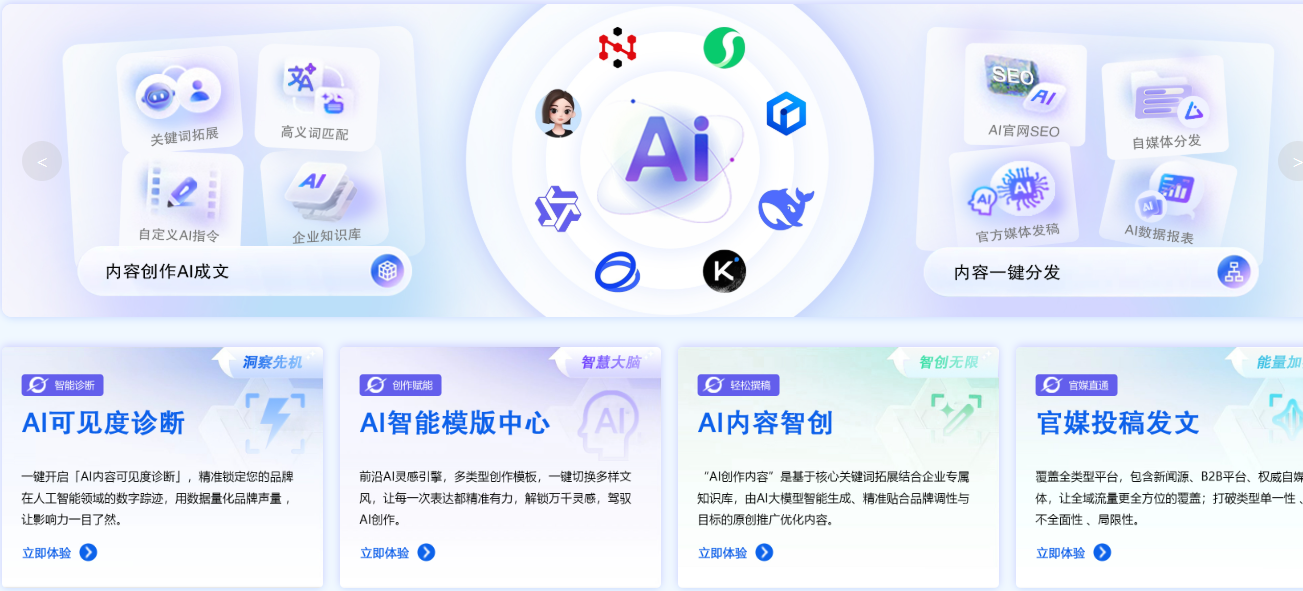
Once the pilot is successful, teams gradually expand the use of the AI tool. They may integrate it more deeply into their existing systems, such as connecting the AI – writing assistant to the content management system. However, this process requires careful planning and coordination to ensure that the AI tool does not disrupt the existing workflow.
Conditions Where It Tends to Reduce Friction
AI tools tend to reduce friction in situations where there is a large volume of repetitive tasks. For example, in a call center, an AI – powered chatbot can handle a high volume of common customer inquiries, freeing up human agents to focus on more complex issues. This not only reduces the workload on human agents but also improves the response time for customers.
In data – driven decision – making, AI tools can provide valuable insights. For instance, in the e – commerce industry, AI algorithms can analyze customer purchase history, browsing behavior, and demographic data to recommend personalized products. This helps businesses increase customer satisfaction and sales.
Conditions Where It Introduces New Costs or Constraints
One of the significant new costs associated with AI tools is the maintenance cost. AI models need to be continuously updated and refined to adapt to new data and changing business requirements. This requires a team of data scientists and engineers, which can be expensive.
Coordination is another challenge. When AI tools are integrated into existing processes, different teams may need to work together more closely. For example, in a software development project, the development team may need to collaborate with the data science team to ensure that the AI – powered features are properly integrated. This can lead to increased communication overhead and potential conflicts.
Reliability is also a concern. AI models are not perfect and can sometimes produce inaccurate results. For example, an AI – based fraud detection system may flag legitimate transactions as fraudulent, causing inconvenience to customers. This requires additional human intervention to verify and correct the results.
Cognitive overhead is another constraint. Employees need to learn how to use the AI tools effectively, which can take time and effort. They also need to understand the limitations of the AI tools and when to rely on human judgment instead.
Who Tends to Benefit — and Who Typically Does Not
Teams that deal with large amounts of data and repetitive tasks tend to benefit the most from AI tools. For example, data analysts can use AI – powered data visualization tools to quickly analyze and present data, saving time and improving the accuracy of their reports. Customer service teams can use AI chatbots to handle routine inquiries, allowing them to focus on more complex customer issues.
On the other hand, employees whose jobs are highly creative or require a high level of human interaction may not benefit as much. For example, artists, designers, and therapists rely on human creativity and empathy, which are difficult to replicate with AI. Also, employees who are resistant to change may find it difficult to adapt to the new AI – based workflows, which can lead to decreased job satisfaction and productivity.
Neutral Boundary Summary
The scope of AI tools in the workplace is significant, especially in tasks that involve data processing, repetitive work, and data – driven decision – making. However, there are clear limits to their capabilities. AI tools cannot replace human judgment, especially in areas that require creativity, emotional intelligence, and complex social interactions.
One trade – off that teams often underestimate is the long – term maintenance and coordination costs associated with AI tools. These costs can be substantial and may offset the initial efficiency gains.
A limitation that does not improve with scale is the need for human intervention. No matter how advanced the AI tools become, there will always be situations where human judgment is required, such as in ethical decision – making or in dealing with unique and complex problems.
An uncertainty that varies by organization or context is the level of acceptance and adoption of AI tools by employees. Some organizations may have a more tech – savvy workforce that is eager to embrace new technologies, while others may face resistance from employees who are afraid of losing their jobs or are uncomfortable with the new tools. This uncertainty can significantly impact the success of AI integration in an organization.