Contextual Introduction
In today’s digital age, the demand for efficient and effective website building has skyrocketed. With the increasing number of businesses and individuals looking to establish an online presence, the pressure to create high – quality websites quickly and cost – effectively has become a significant operational concern. This is where AI – powered tools for WordPress, such as those offered by platforms like toolsai.club, have emerged.
The rise of these AI tools is not just a technological novelty. Instead, it is a response to the real – world challenges faced by website developers, content managers, and business owners. Traditional website building processes in WordPress often involve a steep learning curve, especially for non – technical users. There are also time – consuming tasks such as coding, theme customization, and content optimization. These operational inefficiencies have led to a demand for solutions that can streamline the website building process.
AI tools aim to address these issues by automating many of the repetitive and complex tasks involved in WordPress website creation. By leveraging machine learning and natural language processing, these tools can analyze user requirements and generate appropriate website structures, themes, and content. This has made it possible for even those with limited technical skills to build professional – looking websites.
The Specific Friction It Attempts to Address
The practical inefficiency in traditional WordPress website building is multi – faceted. Firstly, theme selection and customization can be a daunting task. There are thousands of themes available in the WordPress repository, and choosing the right one that fits the brand image, functionality requirements, and user experience can take a long time. Customizing these themes to match specific needs often requires knowledge of CSS, HTML, and PHP, which is a barrier for many users.
Secondly, content creation and optimization are time – consuming processes. Writing engaging and SEO – friendly content, adding appropriate images, and ensuring proper formatting can be overwhelming. Manual content optimization, such as keyword research and meta – tag creation, is also a complex task that requires expertise.
In terms of scale, for large – scale projects with multiple pages and complex functionality, the traditional approach can become even more challenging. Coordinating between different developers, designers, and content creators can lead to communication gaps and delays. AI tools for WordPress attempt to reduce these frictions by automating theme selection, content generation, and optimization processes.
What Changes — and What Explicitly Does Not
When AI tools are integrated into the WordPress website building process, several steps are altered. For example, in the theme selection process, AI can analyze the user’s business type, target audience, and design preferences to recommend the most suitable themes. It can also automate the customization process by adjusting colors, fonts, and layouts based on pre – defined rules.
In content creation, AI can generate text based on a given topic or keyword. It can also optimize the content for search engines by suggesting relevant keywords and meta – tags. Additionally, AI can assist in image selection and placement, ensuring that the overall visual appeal of the website is maintained.
However, there are steps that remain manual. One such step is the final review and approval of the website. Human judgment is required to ensure that the website aligns with the brand’s values, mission, and overall aesthetic. For example, while AI can generate content, a human editor needs to review it for tone, accuracy, and relevance. Another area where human intervention is unavoidable is in the strategic decision – making process. Decisions such as the overall website architecture, the choice of functionality, and the long – term marketing strategy still rely on human expertise.
Some steps shift rather than disappear. For instance, instead of spending hours on manual keyword research, users can use AI – powered tools to get keyword suggestions. But they still need to understand the market and their target audience to make informed decisions about which keywords to use.
Observed Integration Patterns in Practice
Teams typically introduce AI tools for WordPress alongside existing tools in a phased manner. In the initial phase, they may start by using AI for simple tasks such as theme recommendation. This allows the team to get familiar with the AI tool and its capabilities without disrupting the entire workflow.
During this phase, the AI tool works in parallel with existing design and content management tools. For example, a designer may use an AI – powered theme recommendation tool while still using Adobe Photoshop or Sketch for more detailed design work.
As the team becomes more comfortable with the AI tool, they may gradually expand its use to more complex tasks such as content generation and optimization. In some cases, teams may also integrate the AI tool with their existing project management systems to streamline communication and task assignment.
However, this integration process is not always smooth. There can be compatibility issues between the AI tool and existing software. For example, the AI tool may not be able to integrate seamlessly with a custom – built content management system, leading to data transfer problems and workflow disruptions.
Conditions Where It Tends to Reduce Friction
AI tools for WordPress tend to reduce friction in several specific situations. For small – scale projects with limited resources, AI can provide a cost – effective solution. For example, a startup with a tight budget and a small team can use AI to quickly build a professional – looking website without hiring a full – time developer or designer.
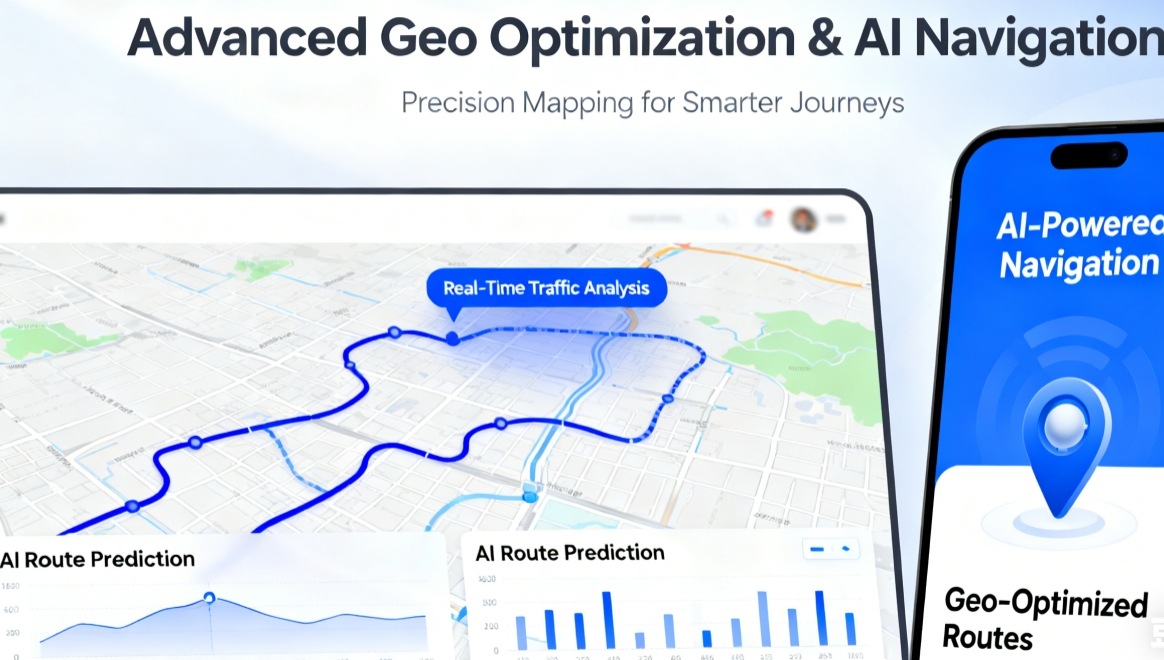
In cases where time is of the essence, such as for a time – sensitive marketing campaign, AI can generate content and optimize the website in a fraction of the time it would take a human. This allows businesses to launch their websites quickly and start reaching their target audience.
AI can also be beneficial for non – technical users. For individuals or small businesses that do not have the technical expertise to build a website from scratch, AI tools can provide an easy – to – use interface and automate many of the complex tasks.
Conditions Where It Introduces New Costs or Constraints
While AI tools for WordPress offer many benefits, they also introduce new costs and constraints. One of the main costs is the subscription fee for using the AI tool. Some AI tools require a monthly or annual subscription, which can add up over time, especially for small businesses with limited budgets.
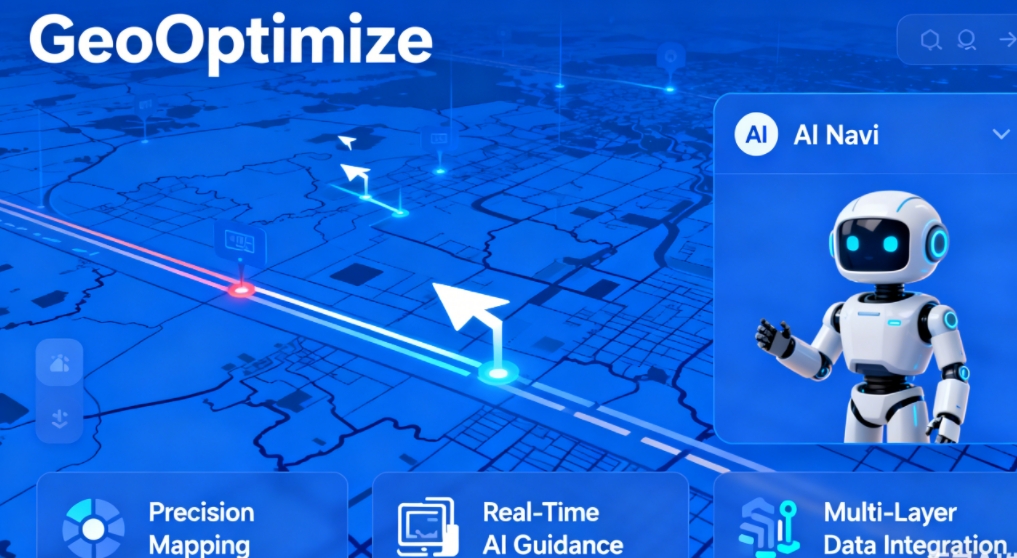
There is also a maintenance cost associated with using AI tools. The AI algorithms need to be updated regularly to ensure accurate results. This may require additional technical resources or the need to rely on the tool’s provider for updates.
In terms of coordination, integrating an AI tool into an existing workflow can create new challenges. Team members need to learn how to use the tool effectively, which may require training. There may also be communication issues between different team members, especially if some are more familiar with the AI tool than others.
Reliability is another concern. AI tools are not perfect, and there may be errors in the generated content or theme customization. This can lead to a negative user experience if not addressed promptly. Additionally, the cognitive overhead of managing and interpreting the results from the AI tool can be significant. Users need to understand the limitations of the tool and make informed decisions based on its output.
Who Tends to Benefit — and Who Typically Does Not
Small businesses and startups tend to benefit the most from AI tools for WordPress. They often have limited resources and need to build a website quickly and cost – effectively. AI tools can provide them with the necessary functionality without the need for a large investment in technical expertise.
Non – technical users, such as bloggers, content creators, and small business owners, also benefit from these tools. They can use the AI – powered features to create professional – looking websites without having to learn complex coding languages.
On the other hand, large enterprises with complex and highly customized website requirements may not find AI tools as useful. These organizations often have their own in – house development teams and may require a high level of control over the website building process. AI tools may not be able to meet their specific needs, especially in terms of custom functionality and integration with existing systems.
Designers and developers who prefer a hands – on approach to website building may also not benefit from AI tools. They may feel that the automated processes limit their creativity and control over the design and development process.
Neutral Boundary Summary
The scope of AI tools for WordPress is to streamline the website building process by automating repetitive and complex tasks. They can be effective in reducing friction for small – scale projects, non – technical users, and those with limited resources. However, they also have limitations.
One trade – off that teams often underestimate is the learning curve associated with using AI tools. While the tools are designed to be user – friendly, there is still a need for users to understand how the algorithms work and how to interpret the results.
A limitation that does not improve with scale is the inability of AI tools to fully replace human judgment. No matter how advanced the AI becomes, there will always be a need for human input in areas such as strategic decision – making, brand alignment, and content review.
An uncertainty that varies by organization or context is the level of integration with existing systems. Some organizations may have legacy systems that are difficult to integrate with AI tools, while others may have more modern and flexible systems that can accommodate the new technology more easily. Overall, while AI tools for WordPress offer many benefits, they are not a one – size – fits – all solution, and organizations need to carefully consider their specific needs and constraints before adopting them.