
Contextual Introduction
In the contemporary business landscape, the emergence of AI tools within the context of clubs has been driven by a confluence of operational and organizational pressures rather than mere technological novelty. Clubs, whether they are social clubs, sports clubs, or business clubs, face numerous challenges in today’s highly competitive and dynamic environment. These include managing large volumes of member data, providing personalized experiences, optimizing event planning, and ensuring efficient communication.
The digital age has led to an explosion of data, and clubs are no exception. They collect a vast amount of information about their members, such as preferences, attendance history, and spending patterns. However, making sense of this data and leveraging it to enhance the club experience has become a significant challenge. AI tools offer a solution by enabling clubs to analyze this data more effectively, identify trends, and make data – driven decisions.
Moreover, clubs are constantly striving to differentiate themselves from their competitors. In an era where consumers expect personalized experiences, AI can help clubs tailor their services to individual members. This not only improves member satisfaction but also increases member retention and loyalty. Additionally, operational efficiency is crucial for clubs to remain financially viable. AI tools can automate repetitive tasks, reduce administrative burdens, and streamline processes, allowing club staff to focus on more strategic and value – added activities.
The Specific Friction It Attempts to Address
One of the most significant frictions that AI tools aim to address in clubs is the management of member data. Before the advent of AI, clubs often relied on manual methods to collect, store, and analyze member information. This was a time – consuming and error – prone process, which limited the club’s ability to gain valuable insights from the data.
For example, consider a large social club with thousands of members. The club staff would have to manually input member details into a spreadsheet, update the information periodically, and then try to analyze it to understand member behavior. This process was not only slow but also made it difficult to identify complex patterns and trends. As a result, the club was unable to provide personalized services effectively, leading to lower member satisfaction.
Another friction point is event planning. Clubs regularly organize various events, such as parties, seminars, and sports tournaments. Planning these events involves multiple tasks, including venue selection, catering arrangement, marketing, and registration management. Without AI, these tasks were often managed using traditional methods, which were inefficient and lacked the ability to optimize resources. For instance, venue selection was often based on past experience and availability, rather than data – driven factors such as member preferences and cost – effectiveness. This could lead to events that were either under – attended or over – budget.
What Changes — and What Explicitly Does Not
When AI tools are integrated into a club’s operations, several changes occur. Let’s take the example of member data management. Before integration, the workflow involved manual data entry from membership forms, followed by periodic updates and basic analysis using spreadsheets. After integration, AI tools can automatically collect data from multiple sources, such as online registration forms, point – of – sale systems, and social media platforms. The data is then cleaned, organized, and analyzed using advanced algorithms to generate insights.
For example, an AI – powered system can analyze member purchase history to identify spending patterns and preferences. It can then use this information to send personalized offers and recommendations to members, increasing the likelihood of engagement. In event planning, AI can analyze historical event data, member feedback, and external factors such as weather and local events to optimize venue selection, timing, and marketing strategies.
However, not everything changes. Human judgment remains an essential part of the process. For instance, while AI can provide insights and recommendations, the final decision on event planning, such as the theme and guest list, still requires human input. Additionally, building and maintaining relationships with members is a human – centric activity that cannot be fully automated. AI can assist in identifying opportunities for engagement, but the actual interaction and connection with members are best handled by club staff.
Observed Integration Patterns in Practice
Teams typically introduce AI tools alongside existing tools in a phased manner. In the initial phase, they start with a pilot project in a specific area, such as member data analysis or event marketing. This allows them to test the tool’s capabilities, evaluate its impact on the existing processes, and train the staff. For example, a club might start by using an AI – powered email marketing tool to send targeted promotions to a small segment of members.
During the pilot phase, the club staff continues to use the existing tools for other tasks. This transitional arrangement helps to minimize disruption to the normal operations. Once the pilot is successful and the staff is comfortable with the new tool, the club gradually expands its use to other areas. For instance, after the successful implementation of the email marketing tool, the club might introduce an AI – powered event management system.
In some cases, clubs also integrate AI tools with their existing customer relationship management (CRM) systems. This allows for seamless data flow between different systems and provides a more comprehensive view of the members. However, this integration requires careful planning and technical expertise to ensure compatibility and data security.
Conditions Where It Tends to Reduce Friction
AI tools tend to reduce friction in clubs under several conditions. Firstly, when there is a large volume of data to manage. As mentioned earlier, clubs collect a vast amount of member data, and AI tools can handle this data more efficiently than manual methods. They can quickly analyze the data, identify patterns, and generate insights, which can be used to improve member services and operational efficiency.
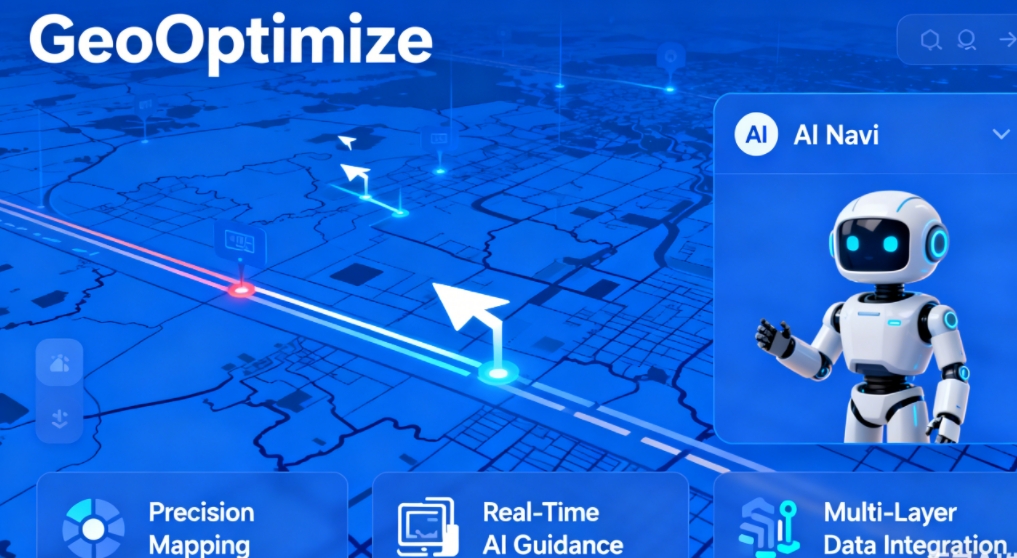
Secondly, when personalization is a key goal. AI can analyze individual member preferences and behavior to provide personalized experiences. For example, a sports club can use AI to recommend specific training programs based on a member’s fitness level, goals, and past performance. This not only enhances the member experience but also increases member engagement and loyalty.
Thirdly, in event planning, AI can reduce friction when there are multiple variables to consider. By analyzing historical data, member feedback, and external factors, AI can optimize event planning, ensuring that the events are well – attended, cost – effective, and meet the members’ expectations.
Conditions Where It Introduces New Costs or Constraints
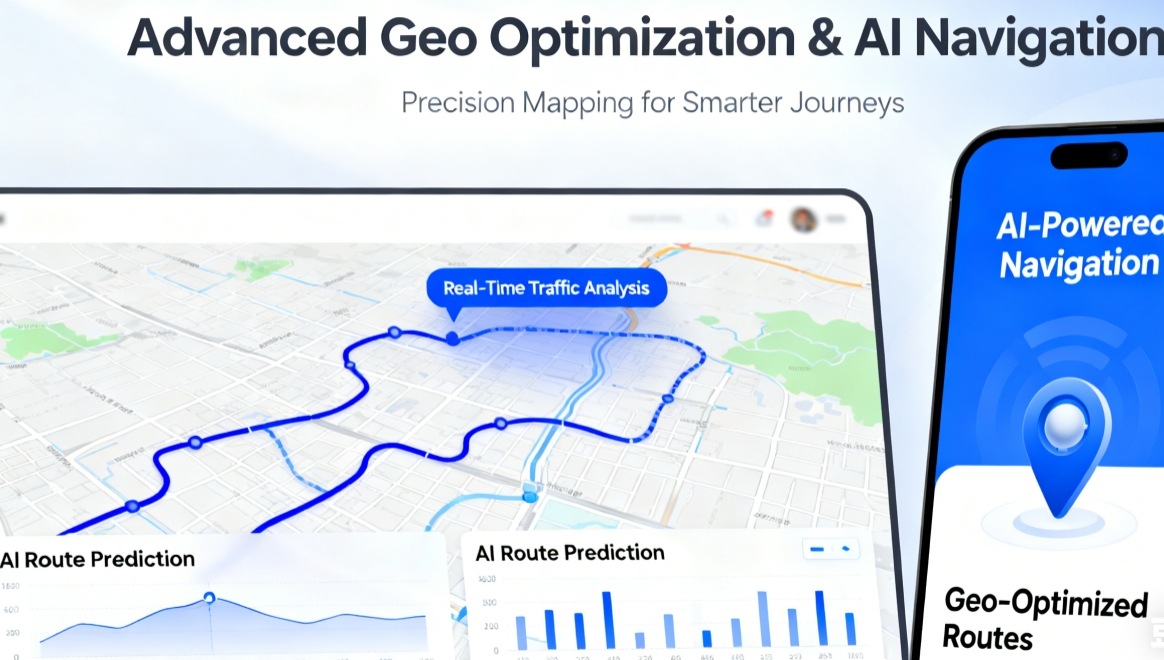
Despite the potential benefits, AI tools also introduce new costs and constraints. One of the most significant costs is the initial investment in purchasing and implementing the AI tools. These tools can be expensive, especially for small and medium – sized clubs. Additionally, there are ongoing costs associated with maintenance, software updates, and technical support.
Another constraint is the need for technical expertise. AI tools are complex, and clubs need to have staff with the necessary skills to operate and maintain them. If the club does not have in – house technical expertise, they may need to hire external consultants, which adds to the cost.
Reliability can also be an issue. AI systems are not infallible, and they can sometimes produce inaccurate results. For example, an AI – powered member segmentation system may misclassify members, leading to ineffective marketing campaigns. This can damage the club’s reputation and result in lost opportunities.
Cognitive overhead is another factor. Club staff may find it challenging to understand and interpret the results generated by AI tools. This can lead to confusion and inefficiencies, as staff may not know how to use the insights effectively.
Who Tends to Benefit — and Who Typically Does Not
Members of the club tend to benefit significantly from the use of AI tools. They receive more personalized services, better – organized events, and more relevant communication. For example, a member of a business club may receive targeted invitations to industry – specific seminars and networking events based on their professional interests. This enhances their club experience and provides more value for their membership.
Club management also benefits from AI tools. They can make more informed decisions, improve operational efficiency, and increase member retention and revenue. AI tools provide them with valuable insights into member behavior and preferences, which can be used to develop strategic plans and marketing campaigns.
However, some staff members may not benefit as much. For example, administrative staff who are responsible for manual data entry and basic analysis may find their roles being automated. This can lead to job insecurity and a need for retraining. Additionally, staff who are not comfortable with new technologies may struggle to adapt to the use of AI tools, which can affect their productivity and job satisfaction.
Neutral Boundary Summary
The use of AI tools in clubs has the potential to address several operational and organizational challenges, such as member data management and event planning. They can automate repetitive tasks, provide personalized experiences, and optimize resources. However, their effectiveness is limited by several factors.
The scope of AI tools is mainly in data analysis, personalization, and process optimization. They cannot fully replace human judgment, especially in areas such as relationship building and strategic decision – making. The limits include high initial investment, ongoing maintenance costs, the need for technical expertise, and potential reliability issues.
One uncertainty that varies by organization or context is the level of member acceptance. Some members may be more receptive to the use of AI in the club, while others may be skeptical or concerned about privacy. Another trade – off that teams often underestimate is the impact on staff morale and job satisfaction. The displacement of manual tasks by AI can lead to job insecurity and resistance among some staff members. A limitation that does not improve with scale is the need for human intervention in critical decision – making processes. No matter how large the club or how advanced the AI tools, human judgment remains essential for ensuring the club’s long – term success.